Secondhand, First Choice: The Case for Certified Refurbished Tech Over Budget New Devices
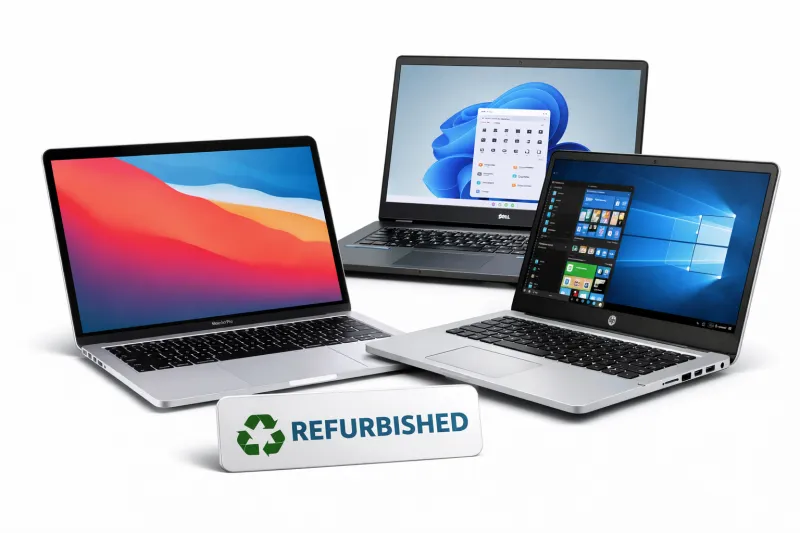
Photo: certified refurbished smartphone laptop devices on display desk, via tech2prove.co.uk
There's a peculiar contradiction at the heart of American consumer electronics shopping. Millions of buyers will happily pay $300 for a brand-new budget phone with a mediocre processor and a plastic chassis, yet flinch at a certified refurbished flagship — same price, twice the hardware — because it was, at some point, owned by someone else.
That flinch is expensive, and in 2025, it's also increasingly irrational. The certified refurbished market has matured into something genuinely competitive with — and often superior to — the new budget segment. It's time the stigma caught up with reality.
Why the Math Now Favors Refurbished
The economics are straightforward. Flagship devices depreciate steeply in their first year, losing 40% or more of their retail value, while their underlying hardware remains excellent for years. A two-year-old premium laptop frequently outperforms a brand-new machine at the same price point, because budget devices are built to a cost target while flagships were built to a performance one.
This gap has widened as flagship components — displays, cameras, processors, build materials — have improved faster than budget components have closed the distance. Meanwhile, the refurbished supply chain has professionalized: dedicated grading systems, standardized battery testing, and warranty backing from manufacturers and major retailers alike.
Decoding the Grading Systems
Not all "refurbished" means the same thing, and this is where buyers get burned. The market uses a loose letter-grade convention:
- Grade A / Excellent: Minimal to no visible wear, fully functional. Often indistinguishable from new.
- Grade B / Good: Light cosmetic wear — small scratches or scuffs — with full functionality.
- Grade C / Fair: Noticeable cosmetic damage. Functional, but priced accordingly.
Cosmetic grades matter less than buyers assume; a scratch on an aluminum lid affects nothing but pride. Functional condition matters far more, which brings us to the fine print.
The Warranty Is the Product
The single most important differentiator in this market is who stands behind the device. "Refurbished" from a random marketplace seller may mean someone wiped it with a cloth. Certified refurbished from a manufacturer or major retailer typically means:
- Professional inspection and component replacement where needed
- A battery health guarantee (ideally 80% capacity or higher)
- A warranty of at least 90 days — a year is better
- A return window that lets you change your mind
Read the warranty before the price. A $50 discount with a 15-day, no-battery-guarantee listing is frequently the worse deal.
Battery Health: The Red Flag Checklist
Batteries are consumables, and they're where refurbished deals quietly go wrong. Before buying:
- Confirm the listing states a minimum battery health percentage, not just "tested."
- For iPhones, verify the battery appears in Settings with a stated maximum capacity; for laptops, ask whether the battery was replaced during refurbishment.
- Treat listings that omit battery information entirely as a warning sign, not an oversight.
Also verify unlock status for phones (carrier-locked devices limit resale and switching), confirm the model receives ongoing software support — a refurbished phone with one year of updates left is a poor value — and check that the seller has a documented return process.
Why the Stigma Persists
Part of the resistance is psychological: ownership history feels like a proxy for quality, even though a professionally inspected device carries more certainty than a sealed box nobody has tested. Part of it is cultural — an economy that markets newness as identity. And part of it is simply inertia; the refurbished market of 2015 genuinely was inconsistent.
None of these reasons survive contact with 2025 market conditions. Certified refurbished devices now come with warranties, standardized grading, and prices that routinely undercut new budget hardware while delivering flagship capability. For environmentally conscious buyers, there's a bonus: extending device lifespans keeps functional electronics out of landfills.
The Verdict
For most buyers, the best deal in consumer electronics isn't a new device at all — it's a certified refurbished flagship from a reputable seller, with a real warranty and a verified battery. The stigma around secondhand tech was always shaky; in 2025, it's simply outdated. Check the grade, read the warranty, verify the battery, and buy the better device for less.